
Braces Dee Why & Northern Beaches
At Dee Why Orthodontics, we provide specialist braces treatment for children, teenagers and adults from Dee Why and across the Northern Beaches. Treatment is carefully planned by Specialist Orthodontist Dr John Sambevski, with attention to the teeth, bite, facial balance, comfort and long-term stability.
Braces remain one of the most reliable and effective ways to correct tooth alignment and bite problems. They can be used to treat a wide range of orthodontic concerns, from mild crowding through to more complex bite correction.
What are braces?
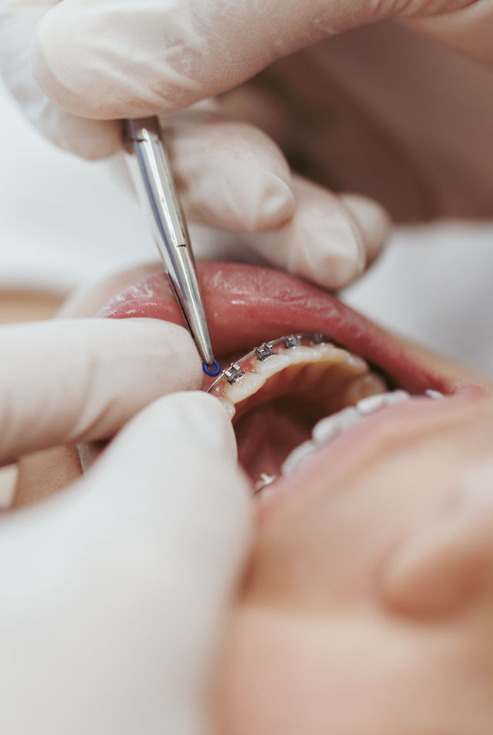
Braces are fixed orthodontic appliances that gently move the teeth over time. They are made up of small brackets attached to the teeth, connected by wires that guide tooth movement.
Because braces are fixed in place, they can be a very dependable option for children and teenagers, as they do not rely on the patient remembering to wear them in the same way clear aligners do. Braces can also be highly effective for adults, particularly where more complex tooth movement or bite correction is required.
When are braces recommended?
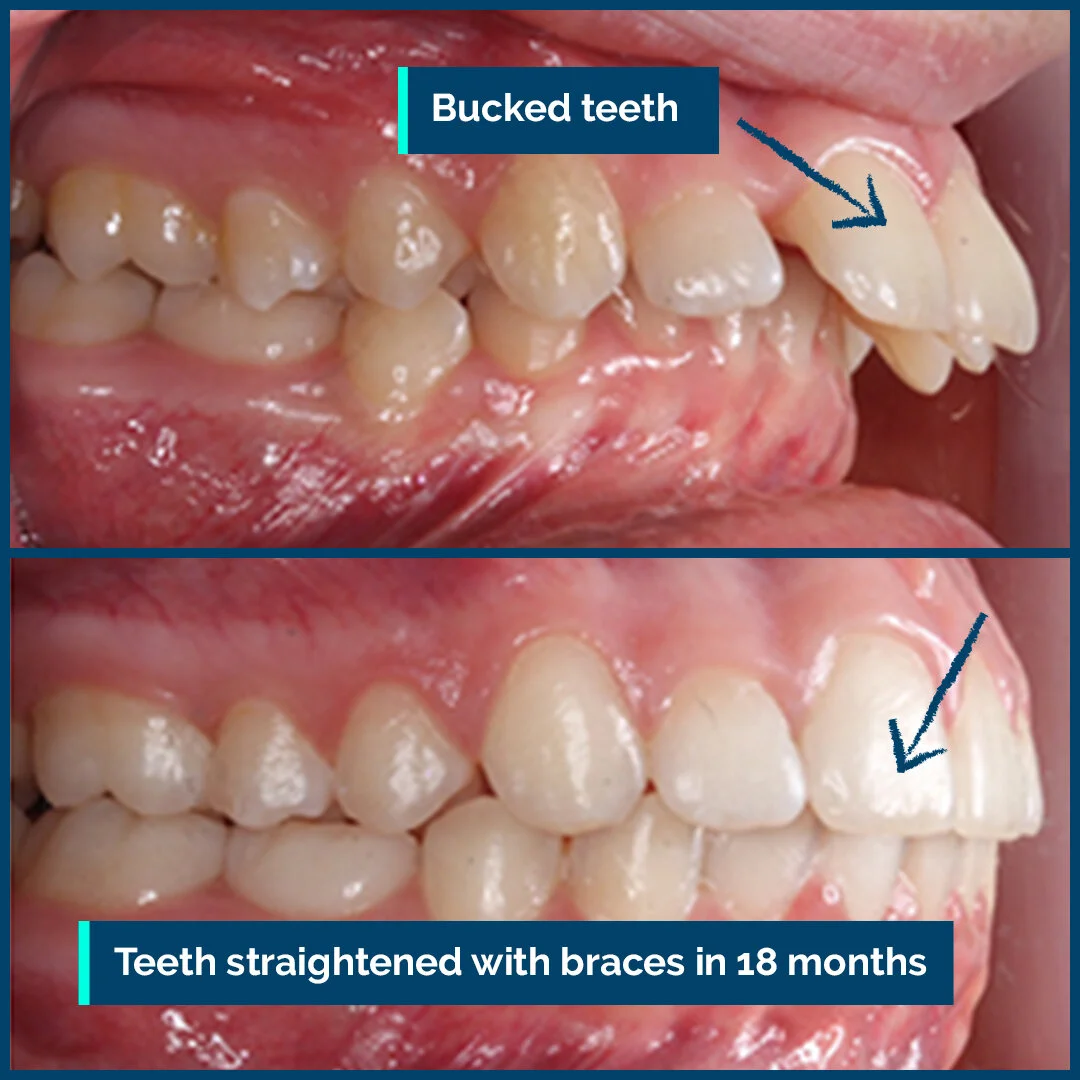
Braces may be recommended for crowded teeth, spacing, protruding teeth, deep bites, open bites, crossbites, underbites, impacted teeth, or when the upper and lower teeth do not fit together well.
At Dee Why Orthodontics, we assess more than whether the front teeth appear straight. We look carefully at the bite, jaw relationship, facial balance, gum health, eruption pattern and long-term stability before recommending treatment.

Braces for children and teenagers
For many patients, braces are started during the teenage years, once most adult teeth have erupted and the bite can be assessed more clearly. This is often an ideal time to correct crowding, alignment and bite concerns.
Some younger children may benefit from an early orthodontic assessment, but most children do not need braces straight away. In many cases, the best approach is careful monitoring until the timing is right.
Braces for adults
Adults can also benefit from braces, particularly when there is crowding, bite instability, previous orthodontic relapse, tooth wear, spacing, or more complex tooth movement required.
Adult treatment is planned carefully around gum health, existing dental work, missing teeth, bite function and long-term stability. In some cases, braces may be recommended instead of clear aligners because they provide greater control for certain movements.
Braces or clear aligners?
Braces and clear aligners can both be excellent options, but they are not interchangeable for every patient. The best choice depends on the teeth, bite, treatment goals, lifestyle, compliance and complexity of the case.
Clear aligners may be suitable for patients who prefer a removable and less visible option. Braces may be more predictable for certain types of tooth movement, more complex bite correction, or patients who prefer not to manage removable aligners.
At your consultation, we will explain the advantages and limitations of each option clearly so you can make an informed decision.
Specialist planning matters
Orthodontic treatment is not simply about straightening teeth. A well-planned result considers how the teeth fit together, how the bite functions, how the smile looks, and how stable the result is likely to be over time.
At Dee Why Orthodontics, orthodontic care is not an add-on service, it is our entire focus. Every braces treatment plan is designed, supervised and reviewed by Specialist Orthodontist Dr John Sambevski.


Do braces hurt?
Braces do not usually hurt when they are placed, but the teeth can feel tender for a few days after fitting or adjustment appointments. This is normal and usually settles as the teeth adapt to the gentle pressure.
We will explain what to expect and how to manage any discomfort. Most patients adjust quickly and continue with school, work and normal daily activities.
How long does braces treatment take?
Treatment time depends on the complexity of the case, the bite, the amount of tooth movement required and how well appointments and instructions are followed.
Some simpler treatments may be shorter, while more comprehensive orthodontic treatment often takes longer. At your consultation, we will give you a clearer idea of likely timing based on your individual needs.
What treatment involves
After braces are fitted, regular appointments are required to review progress and make adjustments where necessary. During treatment, patients need to maintain good oral hygiene and take care to avoid foods that frequently damage brackets or wires. Elastics may also be prescribed at certain stages of treatment. The overall treatment time depends on the complexity of the problem, the movements required and how treatment progresses.
Oral hygiene with braces
Braces make cleaning around the teeth more difficult, so good oral hygiene is particularly important during treatment. Patients should brush carefully around the brackets and gumline and continue regular dental check-ups with their general dentist. Poor oral hygiene during orthodontic treatment can increase the risk of gum inflammation, tooth decay and permanent white marks on the teeth.
Broken brackets and wires
Minor breakages can occasionally occur during treatment. A loose bracket or irritating wire does not always require an urgent appointment, but the practice should be contacted so the problem can be assessed and the appropriate advice given. More significant breakages may need to be repaired before the next routine appointment.
What happens at a braces consultation?
At your first visit, we assess the teeth, bite, jaw relationship, smile, facial balance and overall orthodontic needs. We will discuss whether braces are suitable, whether clear aligners should also be considered, and what treatment would involve.
If recent orthodontic records, scans or radiographs are available, these can also be reviewed. Our aim is to give you clear advice so you can understand your options without pressure or confusion.
Braces close to home
Located in Dee Why Grand, our practice welcomes patients from Dee Why and across the Northern Beaches, including Brookvale, Collaroy, Narraweena, Freshwater, Curl Curl, Manly, Balgowlah, Beacon Hill, Frenchs Forest and surrounding suburbs.
Our central Dee Why location makes specialist orthodontic care convenient for local families balancing school, work and other commitments.
Does early orthodontic treatment prevent the need for braces later?
In some cases, early orthodontic treatment can reduce the severity or complexity of treatment later on. It may help guide jaw growth, improve bite relationships, or create space for permanent teeth to erupt more favourably.
However, early treatment does not usually eliminate the need for braces altogether. Most children who undergo early orthodontic treatment still require a second phase of treatment once all permanent teeth have erupted to complete alignment and bite correction.
The decision to recommend early treatment is based on whether it offers a clear long-term benefit compared with careful monitoring and treatment at a later stage. A specialist orthodontic assessment helps determine the most appropriate timing and approach for each individual child.
For more detail, visit our children’s orthodontics page, which explains when an early assessment is useful and why most children do not need treatment straight away.
When should my child have their first orthodontist visit?
We recommend that children have their first orthodontic assessment at around 8 years of age. At this stage, we can screen for developing orthodontic problems, including some that may not be obvious, and advise on the best timing for treatment if required.
Only a small proportion of children need early orthodontic treatment, but early assessment allows families to plan ahead clearly and helps children become familiar with the orthodontic environment.
How is treatment cost determined?
The cost of orthodontic treatment varies depending on the type of treatment recommended, the complexity of the case, and the length of treatment required. Because every patient’s orthodontic needs are different, fees are discussed after a thorough assessment and are tailored to the individual treatment plan.
Most families choose to manage orthodontic fees through staged or periodic payment arrangements, which are discussed clearly at the consultation to help make treatment manageable and predictable.
Considering braces for your child or teenager?
Learn more about children’s orthodontics and teenage orthodontics.
Interested in a less visible option?
You can also learn more about Invisalign and clear aligner therapy at Dee Why Orthodontics.
Get in contact
If you are considering braces for yourself or your child, we would be happy to help you understand your options and choose the right next step.