
Airway and Orthodontics
At Dee Why Orthodontics, we take a careful, evidence-based approach to the relationship between orthodontics and the airway. This is an area of growing interest, and also one where there is a great deal of misinformation. Our aim is to give families clear, honest information about what an orthodontist can and cannot do, and to work alongside your GP, ENT specialist and sleep physician where appropriate.
Dr John Sambevski has a longstanding research interest in this area. His postgraduate thesis examined sleep apnoea and the effect of mandibular functional appliances on the airway, published in the Australian Orthodontic Journal, and he approaches airway concerns with the caution that the current evidence supports.
Why parents ask about airway and breathing
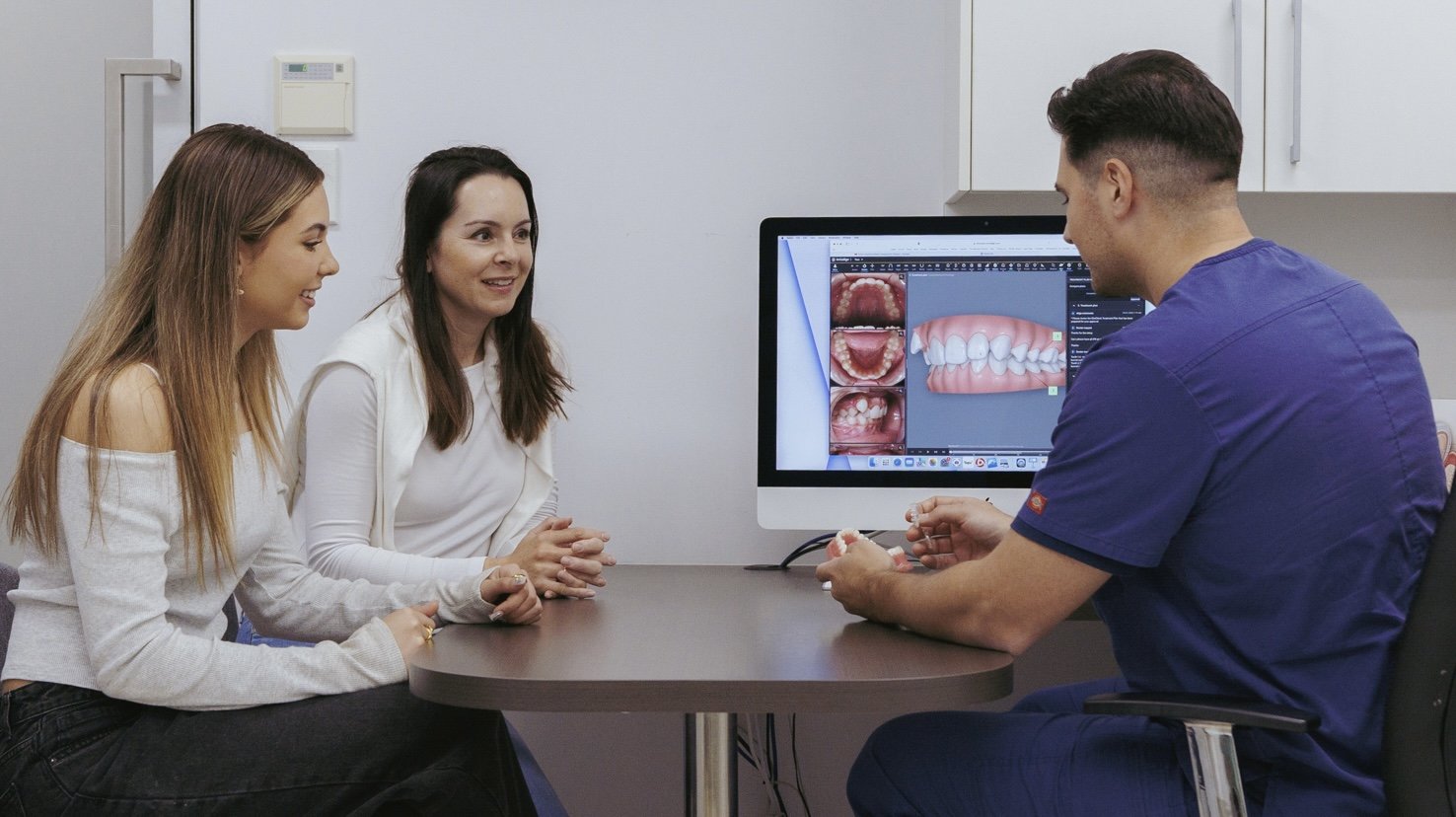
Many parents notice things like snoring, mouth breathing, restless sleep, or daytime tiredness in their child, and understandably want to know whether orthodontic treatment can help. These signs can matter, and they are worth taking seriously. They can also have a number of different causes, which is why careful assessment, rather than assumptions, is the right starting point.
What an orthodontist can do
An orthodontist has a valuable role to play, within clear limits:
- Screen for signs that may be associated with disordered breathing during an orthodontic assessment.
- Assess the jaws, palate, teeth and facial development, and identify features such as a narrow upper jaw or a significant bite discrepancy.
- Refer to the appropriate medical specialist when a breathing or sleep concern is suspected.
- Where a sleep or breathing condition has been diagnosed by a physician, contribute orthodontic treatment as one part of a broader, coordinated plan.
What an orthodontist should not do
Being clear about the limits is part of responsible care:
- An orthodontist does not diagnose obstructive sleep apnoea. A definitive diagnosis is made by a medical specialist, usually with a sleep study.
- Orthodontic treatment is not a standalone cure for sleep apnoea, and we do not present it that way.
- We do not recommend orthodontic appliances purely to prevent breathing problems that a child does not have. The current evidence does not support treating for prevention in this way.
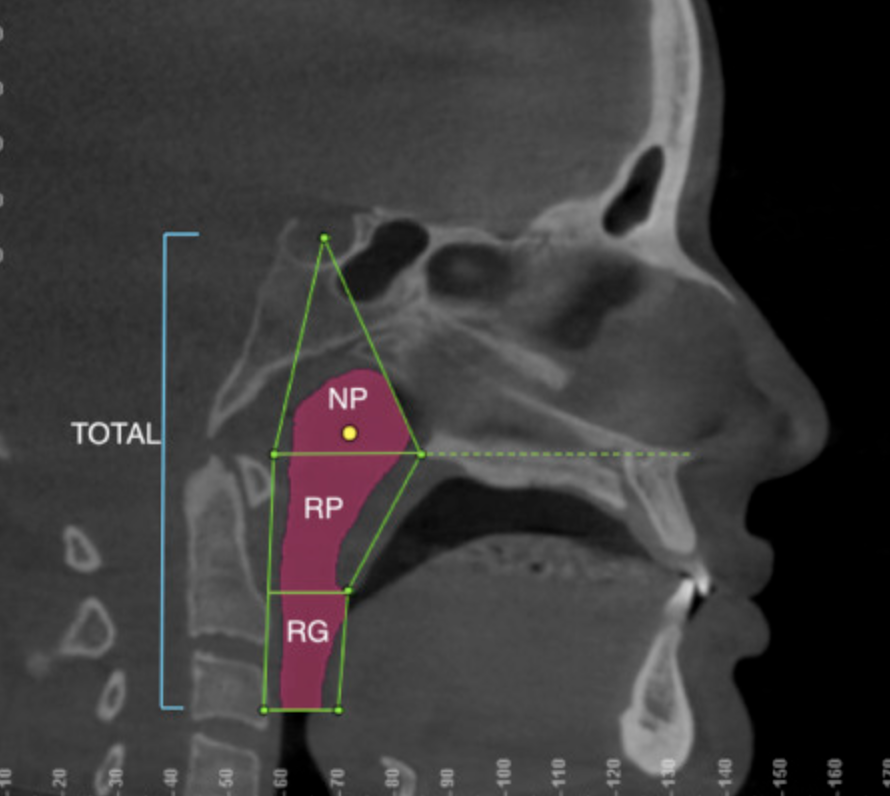
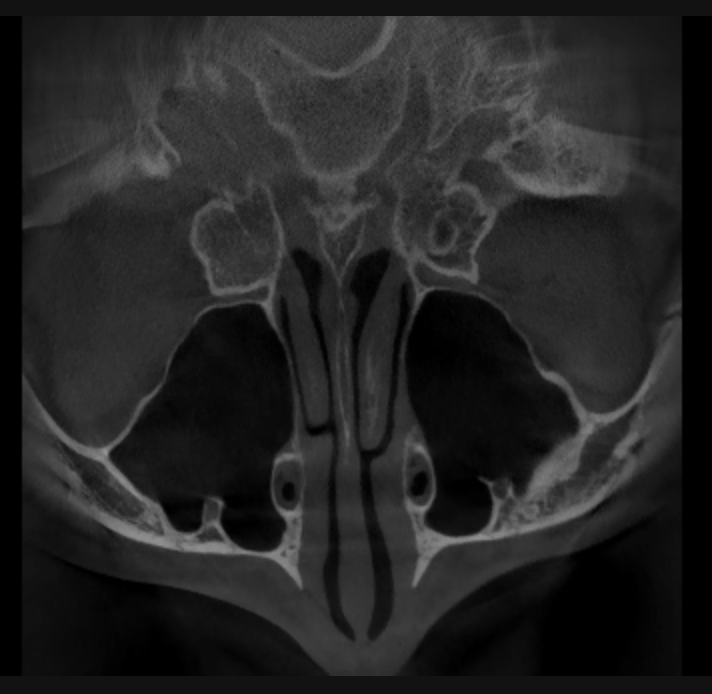
- A wider palate on a scan is not the same as treating a breathing condition. Changes in measurements do not automatically mean a breathing problem has been resolved.
The role of tonsils, adenoids and ENT assessment
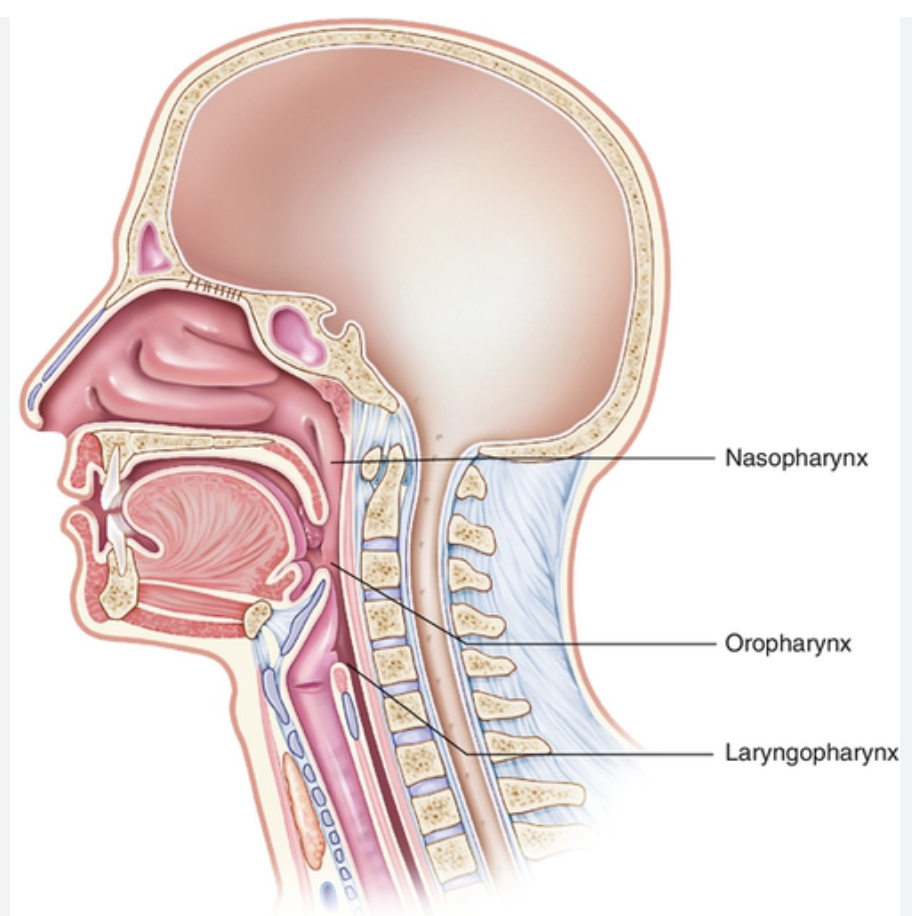
In many children, enlarged tonsils or adenoids are a significant part of a breathing concern. Where this is the case, assessment by an ENT specialist is often the appropriate first step, and may matter more than any orthodontic treatment. This is exactly why a coordinated, multidisciplinary approach matters, and why we are careful not to look at the airway through an orthodontic lens alone.
When orthodontic treatment may play a role
Where a child has a genuine orthodontic indication, such as a narrow upper jaw or a recessed lower jaw, and a breathing or sleep condition has been assessed medically, orthodontic treatment such as upper jaw expansion or functional appliance therapy may form one appropriate part of a coordinated plan. In these situations, treatment is recommended on its orthodontic merits and considered alongside the medical management, not in place of it.
Our approach
Our approach to airway concerns is the same as our approach to all orthodontic care: careful assessment, honest advice, and treatment recommended only when it is genuinely indicated. We would rather give you a clear, measured explanation than add to the confusion that surrounds this topic. Where your child needs medical assessment, we will say so, and we are glad to work alongside your GP, paediatrician, ENT specialist or sleep physician.
If you have concerns about your child's breathing, sleep or jaw development, we are happy to assess your child, explain what we find in plain terms, and help you understand the appropriate next steps, whether those involve orthodontics, medical referral, or simply monitoring over time.