
Orthodontic Second Opinions Dee Why
If you have already had an orthodontic consultation and are unsure about the diagnosis, timing, appliance choice, extractions or treatment plan, a second opinion can help clarify the available options.
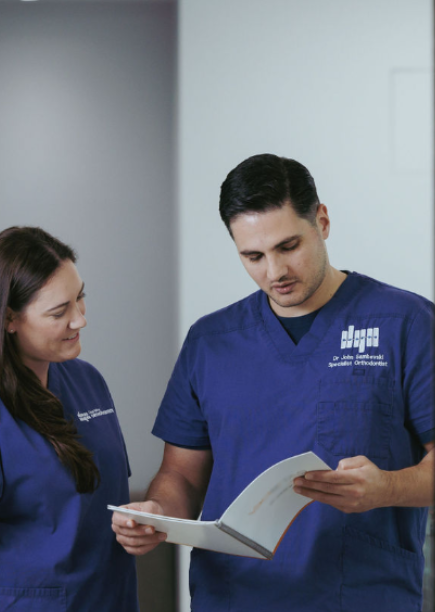
We provide specialist orthodontic second opinions for children, teenagers and adults from Dee Why and across the Northern Beaches. A second opinion may confirm the original recommendation, identify another reasonable approach, or simply provide a clearer explanation of why a particular treatment has been suggested.
When can an orthodontic second opinion be useful?
A second opinion may be worthwhile if you are uncertain about:
whether orthodontic treatment is needed
whether treatment should begin now or later
braces versus clear aligners
whether extractions are necessary
early treatment for a child
jaw growth or bite correction
the expected treatment time
relapse after previous orthodontic treatment
whether treatment could be approached differently
Orthodontic problems can sometimes be managed in more than one reasonable way. The purpose of a second opinion is to understand the diagnosis, the options available and the advantages and limitations of each approach.
A second opinion does not mean the first plan is wrong
Seeking another opinion does not imply that there is a problem with the original recommendation. In many cases, the initial treatment plan is entirely reasonable. In others, there may be alternative ways of managing the same orthodontic problem. Where the original recommendation appears appropriate, that will be explained clearly. Where there are other reasonable options, those can be discussed as well.
Our goal is not to create confusion. It is to help clarify your options.
Ready to get a clear, independent opinion on your treatment options?
Second opinions for children
Parents commonly seek another opinion when early orthodontic treatment has been recommended. Most children do not require treatment simply because an orthodontic problem has been identified. Earlier treatment can be useful in selected situations, including certain crossbites, functional shifts, significant protrusion, eruption disturbances and some developing bite problems. The main question is whether treating the problem earlier is likely to provide a meaningful benefit compared with monitoring growth and dental development and treating later. Where early treatment is not indicated, review and monitoring may be the most appropriate recommendation.
Second opinions for teenagers
For teenagers, uncertainty often relates to whether braces or clear aligners are more appropriate. Both can be effective, but they are not interchangeable in every case. The decision depends on the bite, the movements required, growth where relevant, oral hygiene and how reliably removable appliances are likely to be worn. A second opinion can help determine whether the proposed appliance is appropriate for the treatment objectives rather than simply whether it is technically possible to use it.
Second opinions for adults
Adult orthodontic treatment often requires consideration of factors that are less common in younger patients.
These may include:
gum recession or periodontal bone loss
crowns, veneers or implants
missing teeth
previous orthodontic treatment
tooth wear
restorative treatment that is being planned
relapse following earlier orthodontic treatment
A second opinion can help determine whether braces, clear aligners or another approach is most appropriate in the context of the patient's existing dental condition.
Braces, Invisalign or clear aligners?
Braces and clear aligners are both useful orthodontic tools, but neither is automatically the better option. Clear aligners may be suitable where the required tooth movements can be controlled predictably and the patient is likely to wear them consistently. Braces may provide better control for certain movements or where reliance on removable appliance wear would be a disadvantage.
The recommendation should be based on the orthodontic problem and treatment objectives rather than on a particular appliance brand.
Second opinions about extractions
Extraction and non-extraction treatment can both be appropriate. The decision depends on factors such as the amount of crowding, tooth position, protrusion, the bite, periodontal support and the effect of different treatment approaches on the final tooth positions. A second opinion can help clarify why extractions have been recommended, whether non-extraction treatment is a realistic alternative, and the trade-offs associated with each approach.
Second opinions after previous orthodontic treatment
Some tooth movement after previous orthodontic treatment is common, particularly if retainers have been lost, broken or not worn as recommended. The appropriate response depends on the extent of the movement. In some cases, a replacement retainer may be sufficient to maintain the current position. In others, limited or more comprehensive orthodontic treatment may be required before new retainers are made. The consultation also considers why the movement has occurred and what type of retention may be appropriate afterwards.
What records are helpful?
If you have already had an orthodontic consultation, recent records can be helpful.
Useful records may include:
clinical photographs
a panoramic X-ray or OPG
a lateral cephalogram
digital scans or study models
a written treatment plan
an aligner simulation or ClinCheck-style plan
previous orthodontic records
You do not need to have all of these before arranging a consultation. For a meaningful second opinion, clinical photographs and other relevant records are often more useful than X-rays alone. Orthodontic treatment planning depends on the bite, tooth relationships and clinical appearance as well as radiographic findings.
What happens at a second opinion consultation?
At the consultation, the teeth and bite are assessed and any relevant records are reviewed.
The discussion will usually cover:
the orthodontic diagnosis
whether treatment is required
appropriate treatment timing
the proposed appliance or treatment approach
reasonable alternatives, where they exist
the advantages and limitations of those options
Additional records may occasionally be needed before a detailed recommendation can be made.
The purpose is to provide an independent assessment rather than to justify or criticise another clinician's treatment plan.
Clear advice, without pressure
Orthodontic treatment is a significant decision. It is reasonable to want clarity before committing to a plan. We aim to provide second opinions in a calm, respectful and balanced way. Where another clinician’s recommendation is appropriate, we will say so. Where there may be other options, we will explain them clearly. The goal is simple: to help you understand your choices and feel confident about the next step.
Specialist orthodontic care in Dee Why
Dee Why Orthodontics is a long-established specialist orthodontic practice located in Dee Why Grand. We welcome patients from Dee Why and across the Northern Beaches, including Brookvale, Collaroy, Narraweena, Freshwater, Curl Curl, Manly, Balgowlah, Beacon Hill, Frenchs Forest and surrounding suburbs.
Every treatment plan is designed, supervised and reviewed by Specialist Orthodontist Dr John Sambevski.
Related orthodontic information
First Visit & Fees
Learn what to expect at your first appointment and how fees are explained.
Why Choose a Specialist Orthodontist?
Understand why diagnosis, timing and planning matter.
Invisalign & Clear Aligners
Learn more about clear aligner treatment options.
Book an orthodontic second opinion
If you are unsure about an orthodontic recommendation, treatment timing, braces, clear aligners, extractions or previous treatment, a specialist second opinion can help clarify the available options.