
Why Choose a Specialist Orthodontist?
Orthodontic treatment involves more than straightening the front teeth.
A treatment plan may need to consider how the upper and lower teeth fit together, tooth and root position, jaw relationships, growth, periodontal support, eruption of unerupted teeth, treatment mechanics and long-term retention.
A specialist orthodontist is trained specifically in diagnosing and managing these problems.
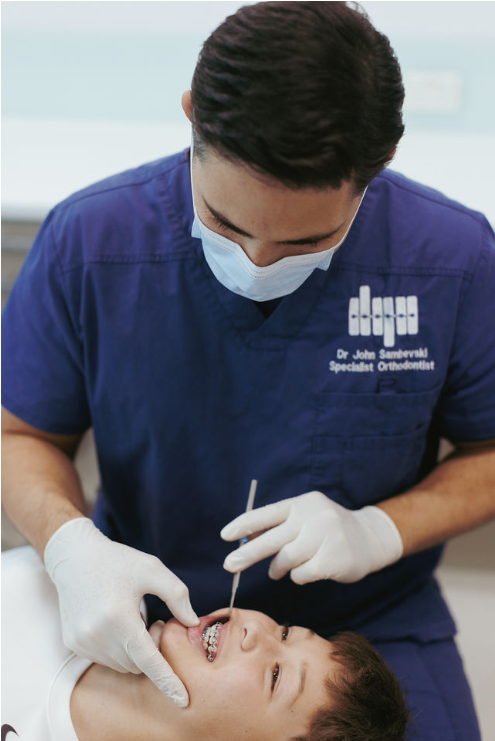
What is a specialist orthodontist?
A specialist orthodontist is a dentist who has completed additional postgraduate specialist training in orthodontics and is registered as a specialist in that field.
Orthodontists focus on the diagnosis, prevention and treatment of problems involving tooth position, the bite, jaw relationships and dental development.
At Dee Why Orthodontics, orthodontics is the sole clinical focus of the practice.
Why specialist assessment matters
Two patients can appear to have very similar crowding or spacing but require quite different treatment.
The treatment plan may change depending on factors such as:
the way the upper and lower teeth meet
the position and angulation of the teeth and roots
the amount and location of available space
jaw relationships and remaining growth
periodontal support
missing or impacted teeth
previous orthodontic treatment
planned restorative or implant treatment
This is why the diagnosis comes before the appliance.

Why careful planning matters
Orthodontic treatment works by applying controlled forces to move teeth through the supporting tissues.
Before treatment begins, planning may need to determine:
which teeth need to move
which teeth need to remain relatively stable
how space will be created, maintained or closed
how the bite will be corrected
whether growth can be used during treatment
whether periodontal support limits particular movements
whether braces, aligners or another appliance is most appropriate
how the final result will be retained
These decisions become particularly important in complex cases involving impacted teeth, missing teeth, significant bite discrepancies, previous relapse, periodontal concerns or treatment being coordinated with restorative dentistry.
Braces and aligners are tools - not the treatment plan
Braces, Invisalign, Spark and Angel Aligners can all be useful orthodontic appliances.
No one appliance is automatically the best option for every patient.
Clear aligners may work very well when the required movements can be controlled predictably and the patient is likely to wear them consistently. Braces may provide more reliable control for certain tooth movements or bite corrections.
The appliance should be selected according to the treatment objective, rather than allowing the appliance to determine the treatment plan.
Timing matters in children’s orthodontics
An early orthodontic assessment does not necessarily mean early orthodontic treatment.
For many children, the most appropriate recommendation is simply to monitor growth and dental development and review again later.
Earlier treatment may be useful in selected situations, including some crossbites, functional shifts, significant protrusion, eruption disturbances and certain developing bite problems.
Starting treatment earlier than necessary can increase the overall treatment time without necessarily improving the final result.
Orthodontic treatment during the teenage years
The teenage years are a common time for comprehensive orthodontic treatment because most permanent teeth have erupted while useful growth may still remain.
The choice between braces and clear aligners depends on the bite, the tooth movements required, oral hygiene, cooperation and how reliably a removable appliance is likely to be worn.
Some teenagers are very well suited to aligners. Others are likely to achieve a more predictable result with braces.
Adult orthodontics needs careful assessment
Adult orthodontic treatment often requires consideration of factors that are less common in younger patients.
These may include:
periodontal bone loss or gum recession
crowns, veneers or implants
missing teeth
worn teeth
previous orthodontic treatment
relapse
planned restorative dentistry
These factors do not necessarily prevent orthodontic treatment, but they can affect the treatment plan and the limits of tooth movement.
Where appropriate, treatment can be coordinated with the patient's general dentist or other dental specialists.
Why specialist supervision matters during treatment
Orthodontic treatment does not always progress exactly as predicted.
Teeth may move differently from the original plan, bites can change during treatment, aligners may require refinements, braces may need different mechanics, and growth or patient cooperation can affect progress.
Regular specialist review allows the treatment plan to be adjusted as required rather than simply following the original appliance sequence.
At Dee Why Orthodontics, treatment progress is reviewed by Specialist Orthodontist Dr John Sambevski throughout treatment.
Retention is part of treatment
Teeth remain capable of moving after orthodontic treatment.
Retainers are therefore an important part of maintaining the result after braces or clear aligners.
Retention should be considered as part of the treatment plan rather than only when active treatment finishes. The appropriate approach depends on the original problem, the final tooth position and the individual risk of relapse.
Why choose Dee Why Orthodontics?
Dee Why Orthodontics is a long-established specialist orthodontic practice in Dee Why, caring for patients from across the Northern Beaches.
Our approach is calm, careful and considered. We take the time to explain your options, recommend treatment when it is appropriate, and plan care around the individual patient rather than around a single appliance or product.
Patients visit us for children’s orthodontic assessments, teenage orthodontic treatment, adult orthodontics, braces, Invisalign, clear aligners, retainers and second opinions. In every case, the aim is the same: clear advice, careful planning and a result designed with long-term stability in mind.
Questions to ask before starting orthodontic treatment
Before beginning orthodontic treatment, useful questions include:
What is the orthodontic diagnosis?
Is treatment needed now, or could it reasonably wait?
What are the available treatment options?
Why has this particular appliance been recommended?
Are there reasonable alternatives?
What are the advantages and limitations of braces or clear aligners in this case?
How will the bite be managed?
Are there any limitations related to the gums, bone or existing dental work?
How will the result be retained?
Who will be planning and supervising the treatment?
Book a specialist orthodontic consultation
If you are considering orthodontic treatment for yourself or your child, we would be happy to help you understand your options and choose the right next step.